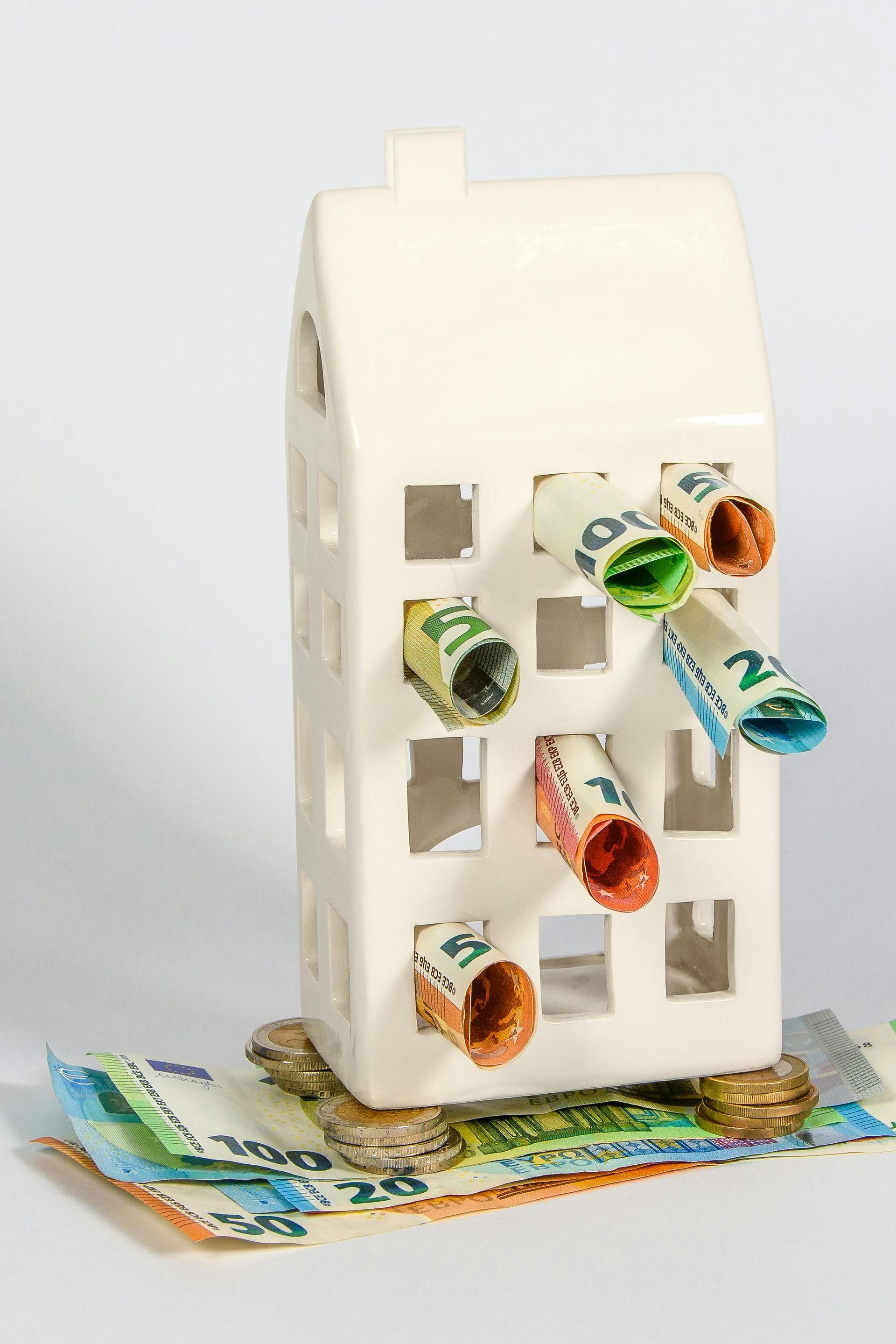
CGT - Buying a new home before selling the old
If you find yourself in the position of having bought yourself a new home before you sold your existing home, there are important CGT issues to consider – and these centre on the fact that under the CGT rules, you cannot have two or more CGT exempt homes at the same time.
However, there is an important concession that allows you to treat both the new home and the existing home as exempt from CGT for up to a period of six months – provided the new home actually becomes your main residence.
So, for example, in the simple case where you bought your new home on 1 February 2026 and then sell your existing one five months later on 1 July 2026, your existing home won’t be subject to any CGT – and your new home won’t lose any CGT exemption for this five month period.
However, the availability of this concession is subject to a number of important conditions.
Firstly, the existing home must have been your home for a period of at least three months in the 12 months period before you sold it. And, secondly, it must not have been used for the purpose of producing taxable income in any part of that 12 month period when you did not live in it.
So, in the above example, if you rented your existing home in the five month period before you sold it (which vendors sometimes do while waiting to sell it), you could not use this concession to give you an additional five months of exemption on that home.
As a result, you will be subject to a partial CGT liability to reflect the fact that your dwelling could not be treated as a main residence during this five month period.
(But if this was the first time you rented it and it would otherwise have been entitled to a full main residence exemption just before you rented it, then you would calculate this partial CGT liability by reference to its market value when you first rented it and the amount you sell it for.)
However, the stringency of these conditions about the use of your existing dwelling in the 12 month period before you sell it can be alleviated by using another concession (the “absence concession”) to continue to treat it as your main residence, even if you rent it in this period.
In a similar fashion, you can use another concession (the “building concession”) to treat any land you acquire on which to build a new home as your new home for the purposes of this six month overlap rule.
However, in both these cases the application of these particular concessions, and their interaction with the rule that allows you to treat an existing home and new home as CGT exempt for up to six months, can be quite complex. And much will depend on the precise facts of the case.
If you find yourself in the position of having bought yourself a new home before you sold your old one (or are intending to do this) come and speak to us – and we will show you how the rules operate in your circumstances, and how they can be applied most advantageously.